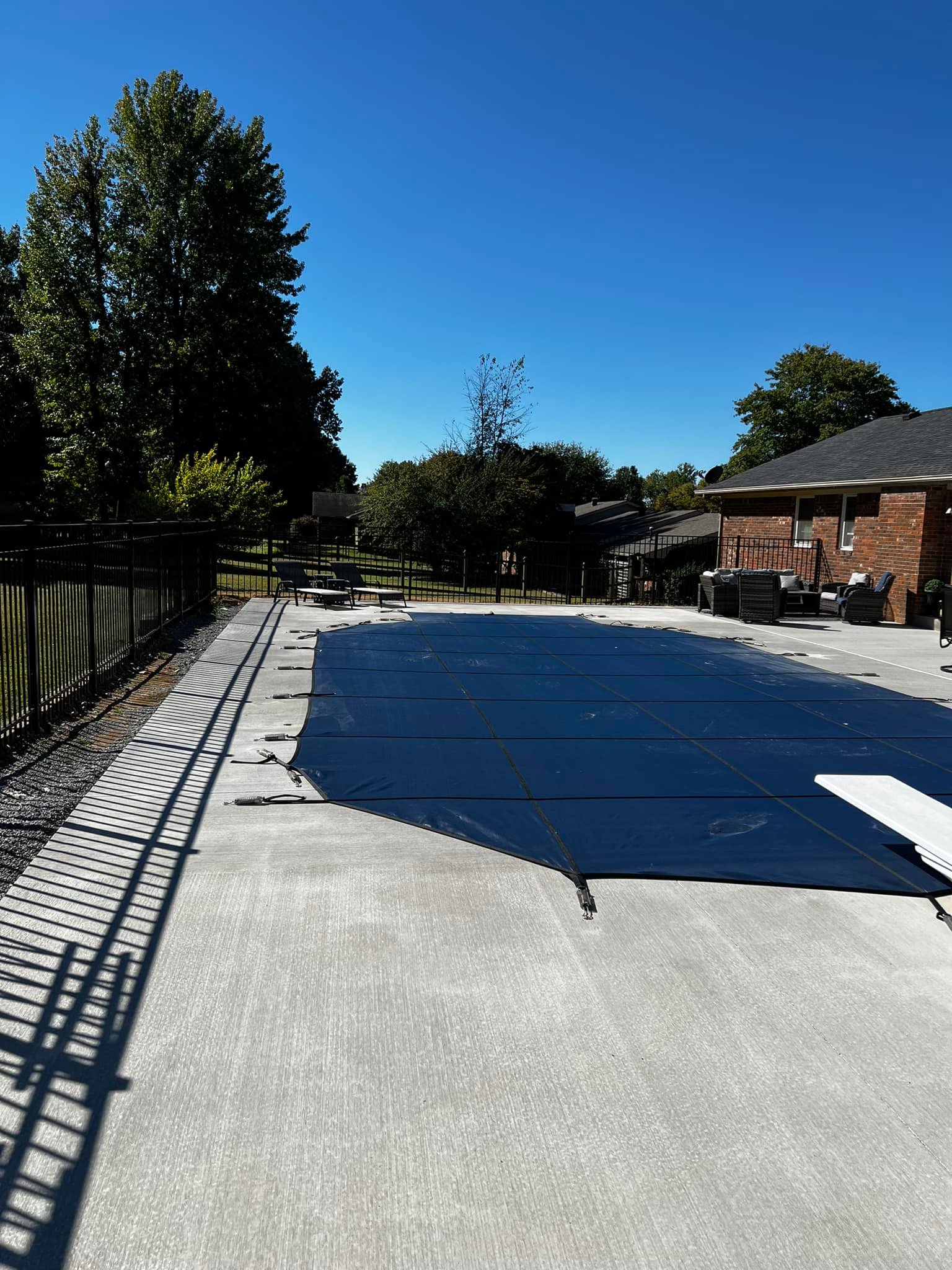
Understanding Local Regulations for Fencing Installations Dec 04, 2025
First and foremost, familiarize yourself with your local zoning laws. Zoning laws are crucial because they dictate the permissible locations for fencing, the heights allowed, and sometimes even the materials you can use. Typically, residential zones have specific restrictions that differ from commercial or industrial zones. It's always best to consult with your municipality or city council to access the most up-to-date zoning information.
Beyond zoning laws, understanding neighborhood covenants is equally important. Some neighborhoods or homeowners' associations have additional restrictions or aesthetic guidelines that dictate the style, color, or height of fences. These covenants are often enforced to maintain community standards, so it's imperative to check their specific guidelines before installation begins.
For example, certain communities may have height restrictions, limiting fences to a maximum of six feet for backyard installations, while front yard fences might have a maximum height of four feet. Knowing these nuances in advance can help you plan your project more effectively and avoid costly reconstruction.
It's also crucial to consider boundary lines. Misplacing a fence on your neighbor's property can lead to disputes and expensive legal battles. Before starting your project, obtain a copy of your property’s plot plan to determine precise boundary lines. Hiring a professional surveyor can further ensure accuracy, which is always a wise investment to avert potential conflicts with neighbors.
Furthermore, there are often rules regarding the placement of fencing near public property or utility easements. Fences should not obstruct visibility for drivers if placed near roadways, and they must allow access to utility companies if there are easements on the property. In such instances, fencing might need to be more securely positioned or crafted to allow entry without compromising functionality or security.
Permits are another critical aspect of the fencing installation process. Many areas require a building permit for fence construction, regardless of the height or material. The permit application process often involves submitting your plans and paying a fee, so become familiar with your local building department's procedures and costs.
Consider environmental regulations as well. If your property is near a protected area or involves certain landscaping features, additional permits may be required. Some regions enforce strict controls to protect wildlife habitats or maintain ecological balance, so it's wise to check these requirements in advance.
Finally, consulting with a reputable fencing contractor like Penrod & Son's Fencing can simplify the regulation navigation process. Professionals can offer guidance and ensure that your new fence complies with all local rules and standards. They bring expertise in dealing with permits, zoning laws, and community standards, making the installation process smoother and stress-free.
In conclusion, understanding local regulations for fencing installations is essential in protecting your investment and ensuring a smooth construction process. By taking these steps and seeking professional advice when needed, you can avoid compliance mishaps and enjoy the security and beauty a new fence can offer. This proactive approach not only saves time and money in the long run but also helps maintain positive relations with neighbors and the local community.
/filters:no_upscale()/filters:format(webp)/media/e304471b-7805-4fc8-b9b7-13149ad2ecaf.jpeg)
/filters:no_upscale()/filters:format(webp)/media/d70825c8-1a6f-45e8-ac34-6a845c047e17.jpeg)