The Green Impact: Sustainable Fencing Options to Consider Jun 15, 2026
Sustainable fencing is made from environmentally friendly materials that can often be recycled or are biodegradable. One popular choice is bamboo fencing. Bamboo is a rapidly renewable resource, growing back within three to five years after harvesting, which drastically reduces deforestation. It is a robust material that offers both durability and aesthetic appeal, blending seamlessly with natural surroundings. This makes bamboo an ideal choice for those looking to maintain privacy while also supporting green initiatives.
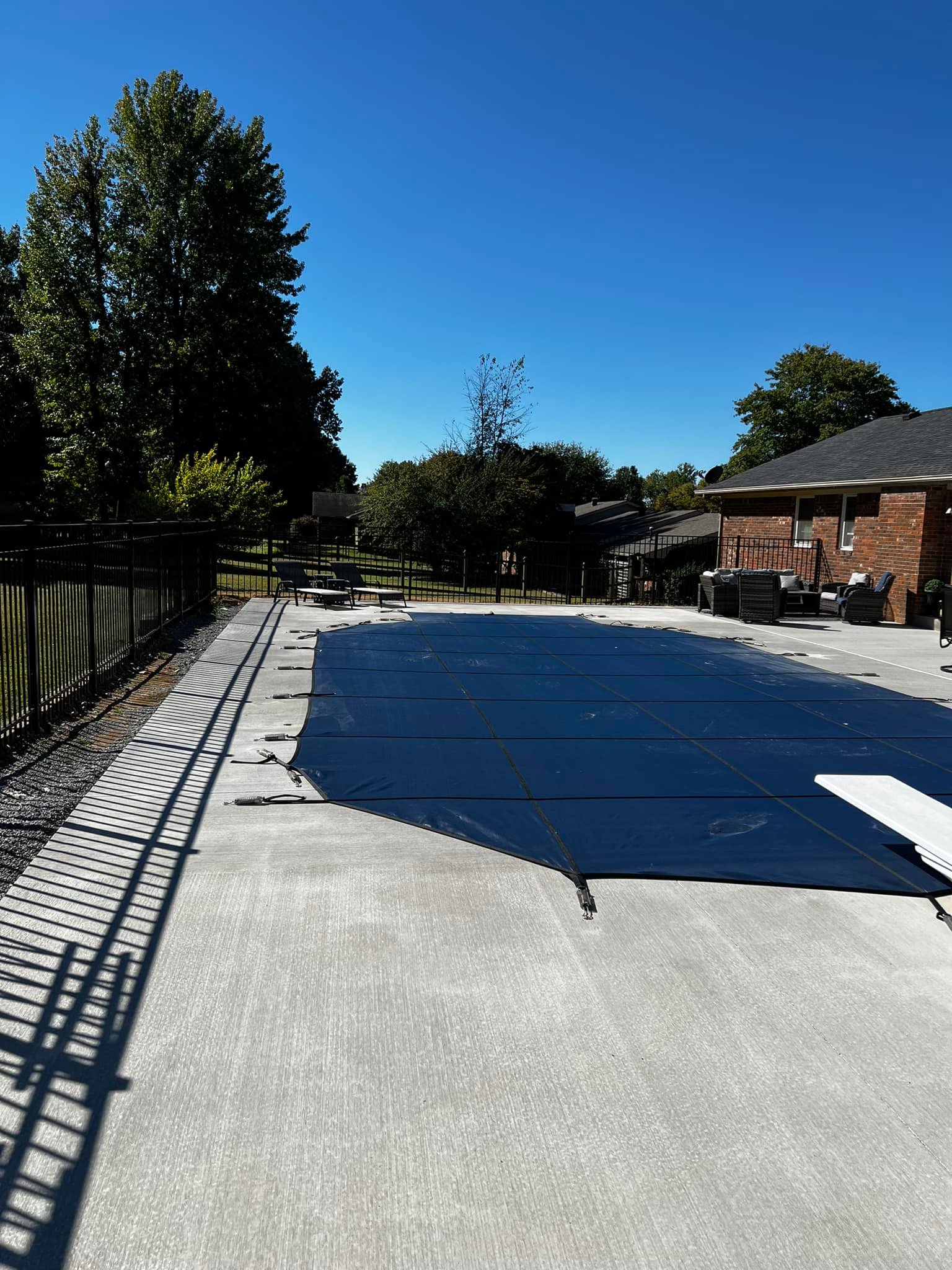
Another excellent sustainable fencing material is recycled metal. Often made from salvaged steel or aluminum, recycled metal fencing not only prevents waste from piling up in landfills but also requires less energy to produce compared to new metal. Metal fences are known for their strength and their resistance to extreme weather conditions, ensuring a long lifespan. This option suits homeowners who prefer a modern, sleek design while remaining environmentally conscious.
Wood fencing remains a popular choice for its classic look and feel. However, selecting sustainably sourced wood is crucial. Look for certifications from organizations like the Forest Stewardship Council (FSC), which indicates that the wood is harvested from responsibly managed forests. Additionally, consider using reclaimed wood, which is repurposed from old structures such as barns and warehouses. Reclaimed wood fencing not only adds unique character with its weathered appearance but also reduces the demand for freshly cut trees.
Composite fencing is another sustainable option worth considering. This type of fencing is often made from a blend of recycled plastics and wood fibers, which means it diverts plastic waste from landfills and reduces the need for virgin wood. Composite fences are praised for their longevity and low maintenance, often requiring little more than occasional cleaning with soap and water. They resist rot and insect damage, providing a durable solution for those seeking sustainable fencing.
Living fences, or hedges, offer a completely natural alternative. These are particularly appealing to those looking to enhance their garden’s biodiversity and create wildlife habitats. Hedges can be grown using native shrubs, providing privacy and a beautiful, green backdrop to any yard. While they require ongoing maintenance, the benefits to local ecosystems are substantial, as hedges support a variety of local species.
When choosing the best sustainable fencing option for your property, consider factors such as local climate, intended use, and maintenance capabilities. Consulting with professionals, such as the experts at Penrod & Son's Fencing, can provide insights tailored to your specific needs and local environmental considerations.
Transitioning to sustainable fencing is a step toward reducing your environmental impact and enhancing the aesthetic and functional value of your property. By choosing eco-friendly materials, you contribute to conserving natural resources and promoting a greener future. Whether you prefer the robust resilience of recycled metal or the natural beauty of living hedges, there is a sustainable fencing option that aligns perfectly with your eco-conscious goals.
/filters:no_upscale()/filters:format(webp)/media/e304471b-7805-4fc8-b9b7-13149ad2ecaf.jpeg)
/filters:no_upscale()/filters:format(webp)/media/d70825c8-1a6f-45e8-ac34-6a845c047e17.jpeg)