Choosing the Perfect Fencing Material for Your Landscape Feb 13, 2026
When beginning this process, consider your primary goals: are you seeking privacy, security, aesthetic appeal, or a combination of these? Understanding your priorities allows you to make an informed decision tailored to your needs.
Let's start by exploring some of the most popular fencing materials available today. Each option comes with its own set of advantages, ensuring there's a perfect match for every homeowner's needs.
Wood remains a timeless option for fencing, offering a natural look that can complement any landscape. Its versatility allows for customization, whether you're interested in a classic picket fence or a tall, solid privacy fence. One outstanding feature of wood is its ability to be stained or painted, matching the theme of your home effortlessly. However, regular maintenance such as sealing and occasional repairs is crucial to prevent weather-related damage and extend the life of your wooden fence.
Vinyl fencing has gained popularity for its durability and low maintenance. Available in various styles and colors, vinyl provides the appearance of a traditional wooden fence without the hassle of constant upkeep. Its resistance to pests and weathering makes it a long-lasting choice, though the initial cost can be higher than some other materials. Over time, however, the minimal need for repair and maintenance makes vinyl a cost-effective solution.
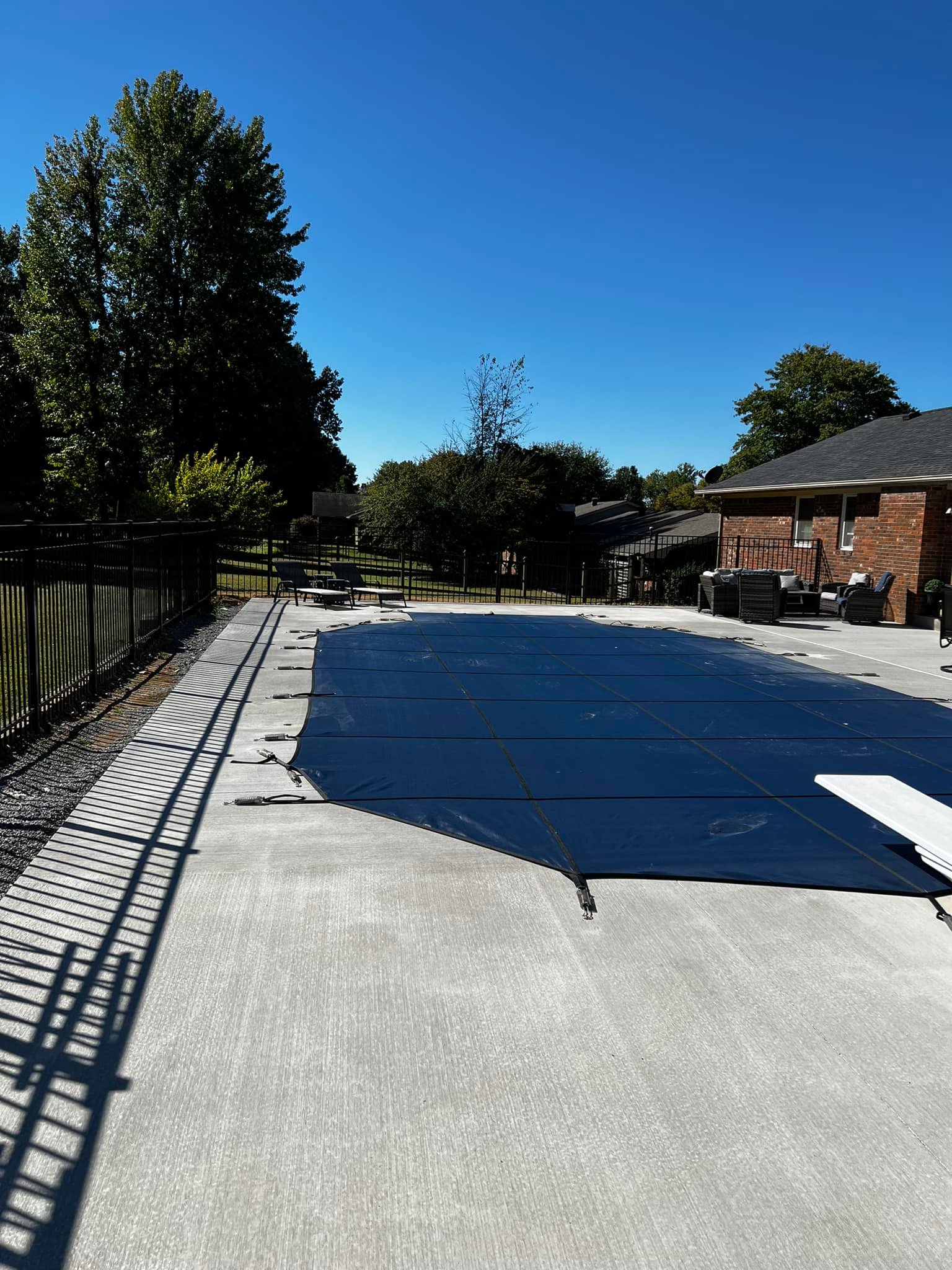
If security and privacy top your list, consider metal options such as aluminum or wrought iron. Known for their strength and sturdiness, metal fences deliver excellent protection while providing an elegant look. Aluminum is preferable in coastal areas as it resists rust, while wrought iron offers a more classic and sophisticated appearance. Metal fences might require an initial investment but promise low maintenance and enduring durability.
For environmentally conscious homeowners, bamboo fencing provides an eco-friendly choice. Bamboo grows quickly and is a renewable resource that adds a unique, exotic touch to any landscape. Available in rolls or panels, bamboo's easy installation and natural resistance to pests make it an appealing option for those looking to go green.
Composite fencing combines recycled wood fibers and plastic, giving you a sturdy structure that mimics the appearance of natural wood. Composite is maintenance-free and resistant to rot and termites, making it a long-lasting fencing material. Although it might not have all the visual warmth of real wood, its durability and sustainability offer a balanced alternative.
When choosing your fencing material, consider how each option interacts with your current landscape. Think about how the fencing will integrate with existing gardens, paths, and other estate features. Will it harmonize or conflict? This decision goes beyond aesthetics; it's crucial to the functional advantages of your chosen solution, whether that's blocking wind, providing shade, or enhancing security.
Finally, consult with Penrod & Son's Fencing to evaluate your landscape and hear personalized recommendations tailored to your preference and environment. Undertaking a collaborative approach ensures that the chosen fence elevates your property and serves your needs effectively.
In conclusion, the right fencing material transforms your outdoor space into a functional and beautiful extension of your home. Make an informed choice by considering the style, maintenance, cost, and purpose of each material. At Penrod & Son's Fencing, we're committed to guiding you every step of the way, ensuring your landscape is perfectly framed by a fence that delivers both utility and charm.
/filters:no_upscale()/filters:format(webp)/media/e304471b-7805-4fc8-b9b7-13149ad2ecaf.jpeg)
/filters:no_upscale()/filters:format(webp)/media/d70825c8-1a6f-45e8-ac34-6a845c047e17.jpeg)